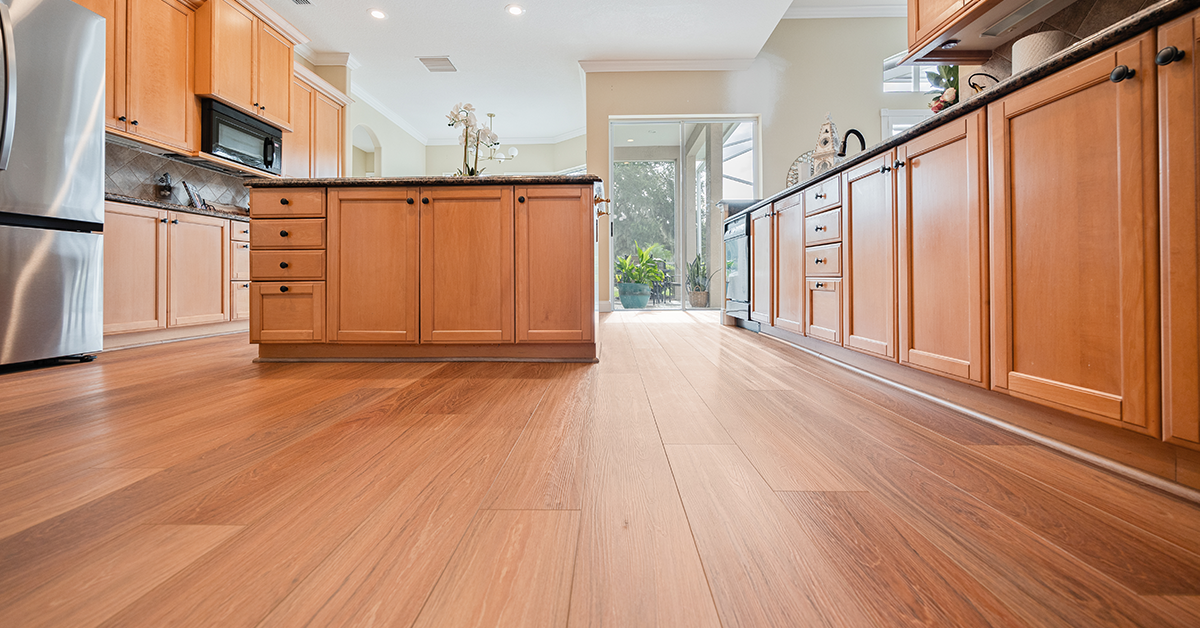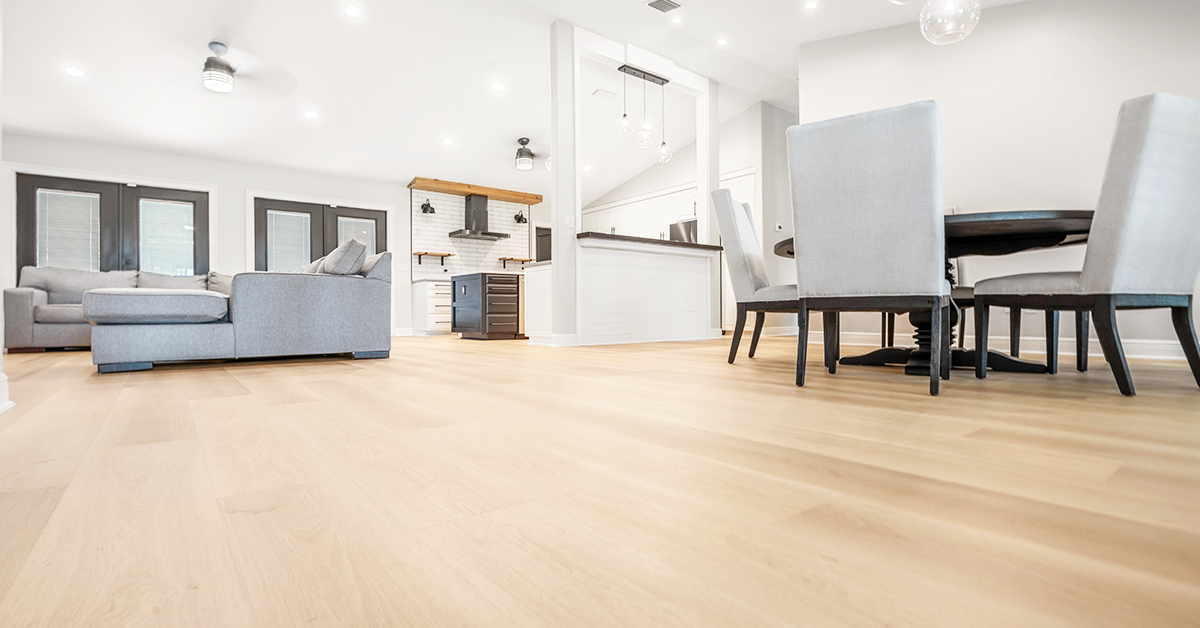

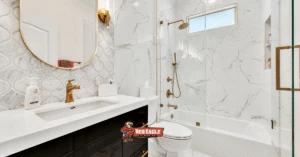
Kitchens and bathrooms are the most frequently used rooms in any home. While a living room floor prioritizes aesthetics, kitchen and bathroom flooring must prioritize convenience. These areas face constant threats from moisture, humidity, spills, and heavy foot traffic, meaning the wrong material can lead to costly water damage, mold, and premature replacement.
Choosing your Kitchen and Bathroom Flooring is a foundational decision that impacts safety, cleanliness, and long-term value. This ultimate guide will walk you through the 4 essential considerations for high-stakes spaces, ensuring your new floor is beautiful, durable, and truly waterproof.
The Challenge: Why Convenience Matters Most for Kitchen and Bathroom Flooring
Before we dive into materials, let’s talk about why these rooms are different. Your Kitchen and Bathroom Flooring must handle:
- Standing Water and Splashes: From overflowing sinks and tubs to appliance leaks and persistent shower spray, water is the primary enemy;
- High Humidity: Steam from showers and cooking can warp or damage materials that aren’t moisture-stable;
- Heavy Traffic and Impacts: These rooms see constant foot traffic, dropped dishes, and heavy appliances, requiring superior durability and scratch resistance;
- Cleanliness: Floors must be easy to clean without harsh chemicals and cannot harbor mold or bacteria.
To protect your home from costly water damage and mold, you must start with the foundation. Let’s look at the first two steps:
1. Prioritize Truly Waterproof Materials
When selecting Kitchen and Bathroom Flooring, look for materials that are explicitly labeled “waterproof,” not just “water-resistant.”
- Porcelain and Ceramic Tile: The undisputed champion. Tile is inherently waterproof, incredibly durable, and highly resistant to stains and moisture. Its longevity means that with proper care, a quality tile floor can last the lifetime of your home. The key here is the grout, which must be properly sealed to maintain water protection. Image Description: A beautifully installed porcelain tile bathroom floor with minimal grout lines, showcasing its sleek, waterproof finish.
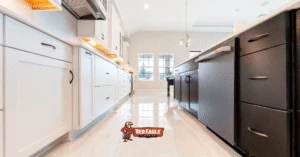
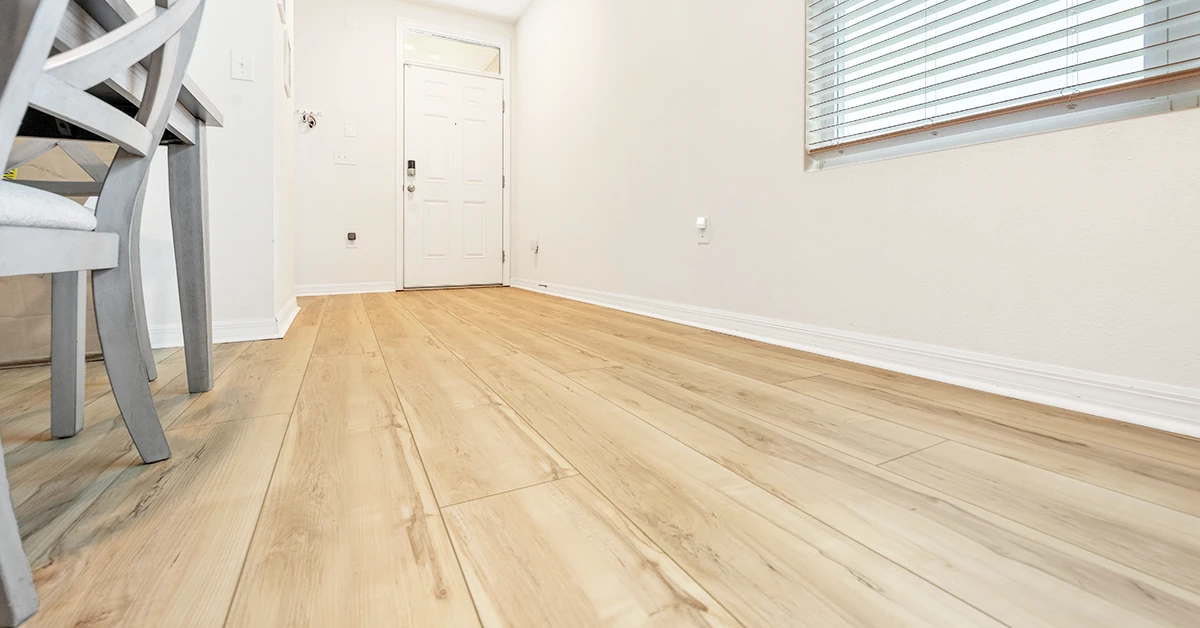
- Luxury Vinyl Plank (LVP) / Luxury Vinyl Tile (LVT): The modern hero. LVP and LVT are manufactured using synthetic materials that are 100% waterproof. They offer the look of natural wood or stone without the risk of warping or swelling. This versatility makes LVP/LVT one of the best and most popular choices for Kitchen and Bathroom Flooring in Florida homes.

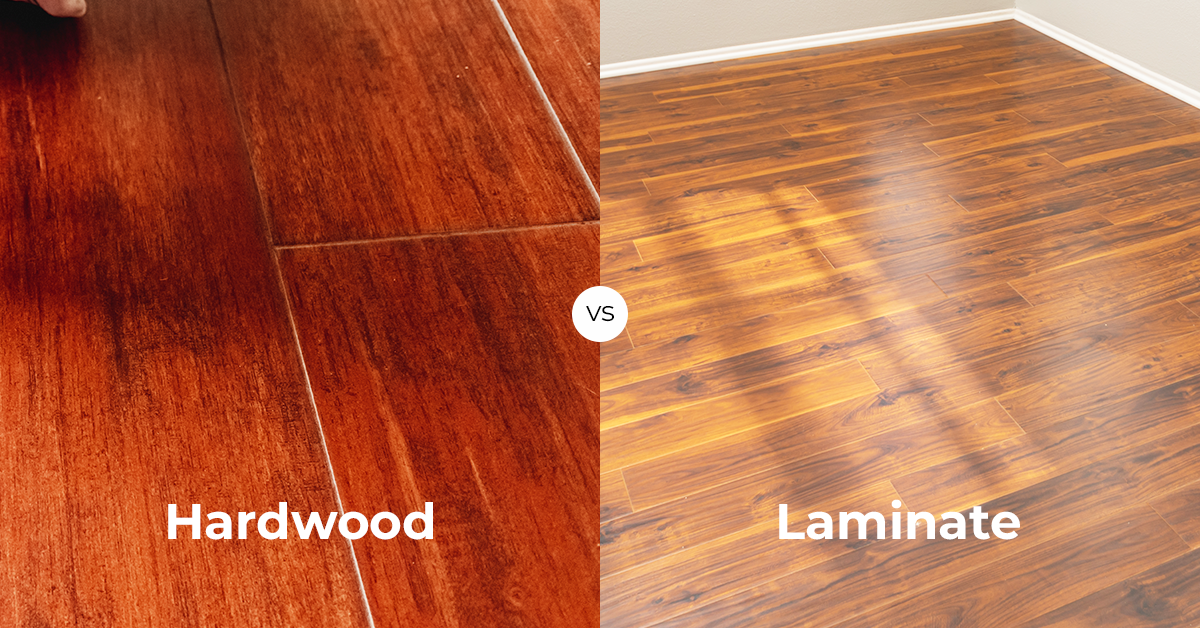
- Materials to Approach with Caution: While stunning, materials like solid hardwood are highly susceptible to moisture and should generally be avoided in bathrooms or placed only in kitchens with excellent ventilation and water protection.
2. Select for Durability and Traffic Resistance
The wear layer of your flooring is your first line of defense against damage in high-traffic areas.
- Understanding the PEI Rating (Tile): For tile, the Porcelain Enamel Institute (PEI) rating measures hardness and resistance to abrasion. For Kitchen and Bathroom Flooring, you should aim for a PEI rating of III or higher to handle daily wear, impacts, and heavy furniture.
- LVP Wear Layer: For Luxury Vinyl, the thickness of the wear layer is crucial. Look for a wear layer of at least 12 mil (for standard use) or 20 mil (for heavy-duty residential or commercial use) to ensure maximum scratch and dent resistance against pets, kids, and constant cleaning. This robust wear layer protects your Kitchen and Bathroom Flooring investment.
Mistakes in Durability to Avoid:
Failing to match the material’s durability to the room’s function is a common error. A budget-grade tile that works fine in a guest bedroom will quickly show wear and tear in your kitchen. Always invest in materials rated for high-moisture and high-traffic conditions.
3. Design Coordination: Beyond the Floor
Flooring is the canvas, but the walls and backsplash are the frame. When planning your Kitchen and Bathroom Flooring, you should consider how the materials will interact with other elements in the room.
- Floor-to-Wall Flow: Ensure your floor color and pattern coordinate with your shower tile or kitchen backsplash. For example, a busy, patterned floor tile works best when paired with a simple, solid-color shower wall to maintain balance.
- Backsplash as a Focal Point: If your Kitchen and Bathroom Flooring is a simple, neutral color (like a light gray or white LVT), use the backsplash as an opportunity to introduce color, pattern, or texture.
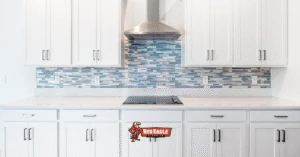
- Grout Choice: The grout color is a subtle but powerful design tool. Lighter grout can make the space feel larger but requires more maintenance, while darker grout is better for high-traffic areas and creating visual definition.
4. Consider Professional Installation
Even the most expensive, durable, and waterproof materials will fail if not installed correctly. Proper installation is particularly non-negotiable for Kitchen and Bathroom Flooring due to moisture risk.
- Subfloor Integrity: Professionals ensure the subfloor is perfectly leveled, clean, and tested for moisture—steps critical for preventing gapping and buckling.
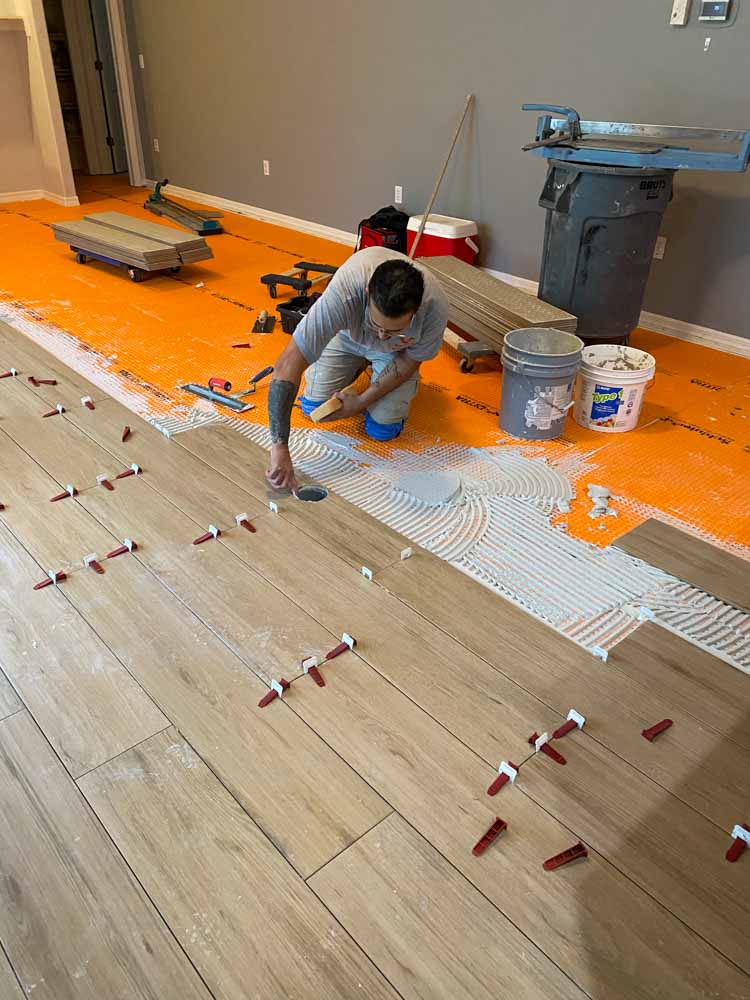
- Waterproofing: For tile in bathrooms, proper membrane application (waterproofing) beneath the tile is essential. This is a complex step that prevents water damage to the subfloor and joists.
- Expansion Gaps: Proper planning of expansion gaps is crucial to prevent the floor from buckling due to temperature fluctuations in high-humidity rooms.
At Red Eagle Flooring, we specialize in making your vision for Kitchen and Bathroom Flooring a durable, waterproof reality. We guide you from selecting the perfect material—whether it’s a timeless porcelain or a highly durable LVP—to ensuring a seamless, worry-free installation that protects your home for years to come.
Call 33-RED-EAGLE or click here to request your free estimate today.
Also follow us on Instagram @redeagleflooring
Red Eagle Flooring — where quality takes flight.