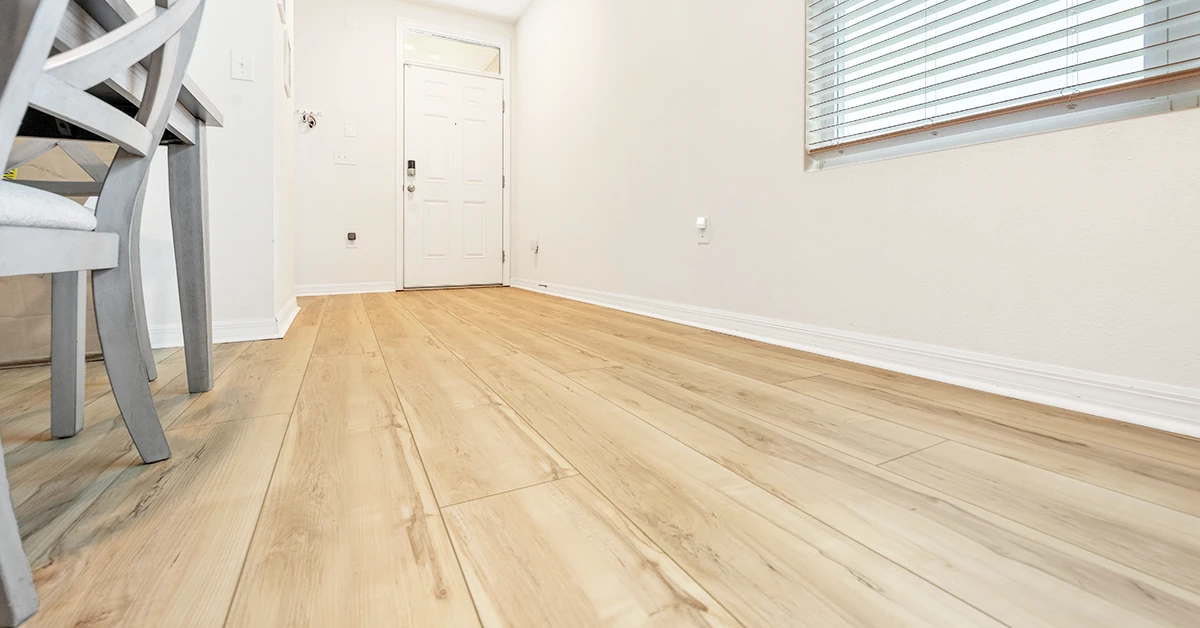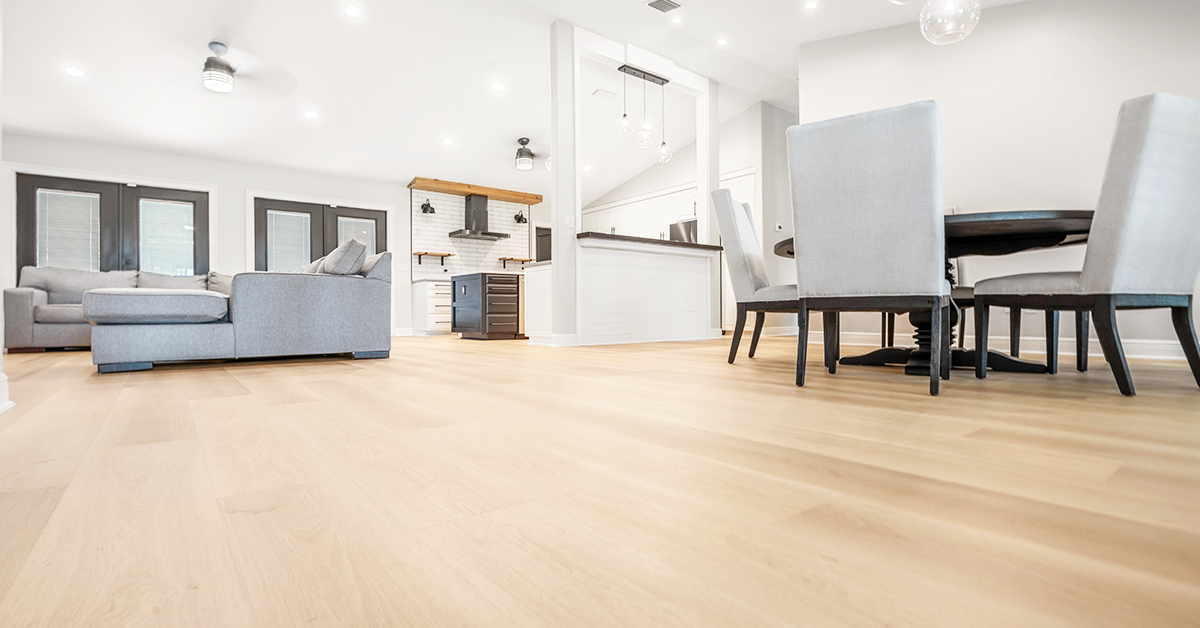

Choosing new flooring is an important decision that impacts your home’s looks, functionality, and value. Few options offer the combination of durability, style, and affordability quite like modern Vinyl Plank Flooring. It’s easy to see why it has become one of the fastest-growing choices for homeowners across Florida.
You know, many people opt for Vinyl Planks because it is often marketed as a simple DIY project. While the “click-and-lock” system is straightforward, making the entire installation process mistake-proof is far from guaranteed. Even small errors during the process can lead to costly failures, compromising the aesthetic and lifespan of your new floor.
That’s why this ultimate guide walks you through the 7 most common and costly Vinyl Plank Installation Mistakes homeowners make. By understanding these, you can ensure your project delivers the stunning, long-lasting results your home deserves.
The Most Common Vinyl Plank Installation Mistakes
1. Skipping Proper Subfloor Preparation
This is one of the most critical errors and common Vinyl Plank Installation Mistakes. The quality of your new VPF floor is only as good as the subfloor it rests on.
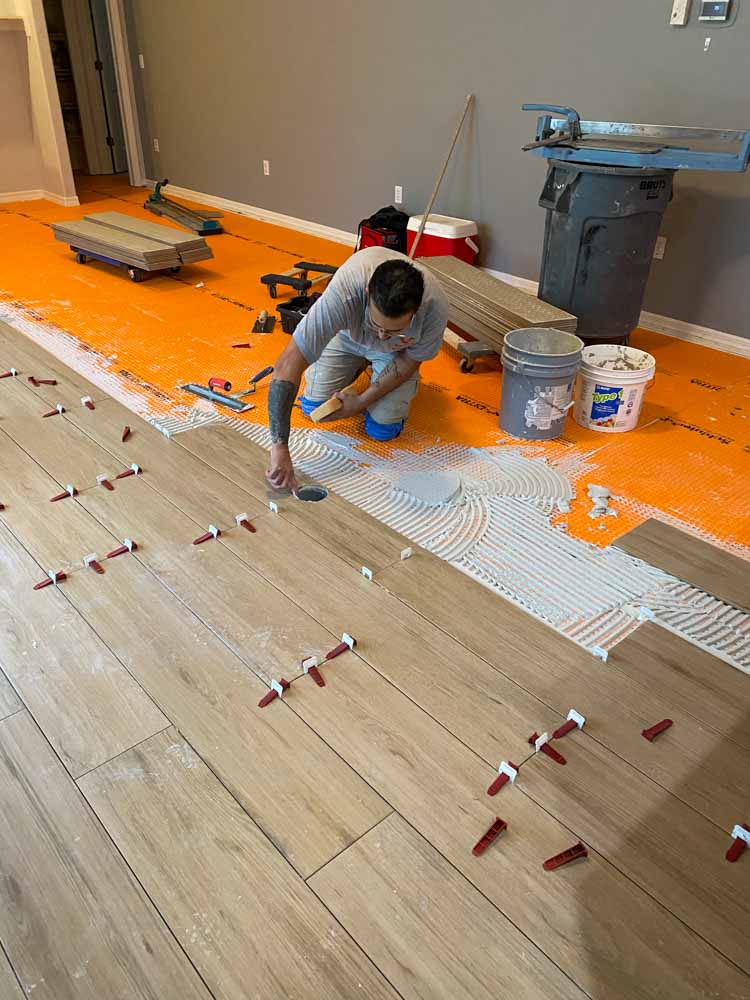
- The Mistake: Failing to properly clean, repair, or level the subfloor. Subfloors must be clean, dry, level, and structurally sound. Any debris, old adhesives, or uneven spots will eventually “telegraph” through the vinyl, leading to visible bumps, gaps, or an uneven feel underfoot.
- The Fix: Before laying the first plank, sweep and vacuum the area thoroughly. Use a leveling compound to smooth out dips and bumps. For concrete subfloors, a moisture test is essential, as VPF, while moisture-resistant, can still trap rising moisture which leads to mold or adhesion failure.
2. Ignoring Acclimation Time
Flooring materials, including vinyl, need time to adjust to your home’s environment.
- The Mistake: Opening the boxes and installing the planks immediately. VPF, like wood and laminate, is sensitive to temperature and humidity. Installing it straight from a cold or hot garage means the planks will expand or contract significantly once they settle into your home’s climate.
- The Fix: Allow your VPF planks to acclimate for a minimum of 48 hours in the room where they will be installed. Keep the boxes flat and maintain the room’s normal temperature and humidity levels during this period.
3. Poor Planning of Expansion Gaps
Vinyl plank flooring is designed to “float” over the subfloor, meaning it must have room to move as temperatures change.
- The Mistake: Laying the planks tightly against walls, cabinets, or door frames. Without a proper expansion gap (usually about 1/4 inch or as specified by the manufacturer), the planks will buckle or lift when they naturally expand.
- The Fix: Use spacers along all fixed vertical surfaces during installation. This gap will later be concealed by baseboards or quarter-round trim, ensuring the floor remains flat and stable year-round.
4. Improperly Staggering Seams (The ‘H’ Pattern)
Proper staggering ensures the floor looks natural and distributes pressure evenly.
- The Mistake: Creating an “H” pattern where the end seams of planks line up between rows. This creates a weak point in the floor that is highly noticeable and susceptible to gapping over time.
- The Fix: End seams should be staggered by at least 6 inches, or ideally, a third of the length of the plank, row by row. This ensures seams are offset and the floor looks like a single, cohesive unit. This attention to detail prevents common Vinyl Plank Installation Mistakes that compromise the overall aesthetic.
5. Failing to Clean the Grooves
The click-and-lock mechanism is the heart of a successful VPF installation.
- The Mistake: Not checking the tongue and groove of each plank for debris before clicking them together. Even tiny dust particles can prevent the planks from fully engaging, leaving hairline gaps that will worsen over time.
- The Fix: Always wipe or check the grooves of the planks just before assembly. Ensure each plank is fully engaged and lying flat against the subfloor. If a seam doesn’t close perfectly, undo it and try again; never force it, as this can damage the locking mechanism.
6. Using the Wrong Cutting Tool
Using incorrect tools is one of the most common Vinyl Plank Installation Mistakes among DIYers.
- The Mistake: Using dull knives or improper saws that splinter or chip the edges of the planks. Poorly cut edges make it impossible to create the seamless finish VPF is known for.
- The Fix: Use a sharp utility knife for straight cuts. For tricky cuts around corners or vents, a jigsaw with a fine-tooth blade will yield a cleaner, professional edge.
7. Resuming Normal Traffic Too Quickly
Patience is key, even with an installation that appears quick.
- The Mistake: Placing heavy furniture or allowing high foot traffic immediately after installation.
- The Fix: Always follow the manufacturer’s guidelines for curing times. Even though floating VPF doesn’t use adhesive, the joints need time to settle and fully bond. Protection should also be maintained for adjacent areas during the renovation.
Avoiding Costly Mistakes in Vinyl Plank Installations with Red Eagle
While VPF is accessible, avoiding these Vinyl Plank Installation Mistakes requires attention to detail, proper tools, and extensive experience. This is where professional expertise—like Red Eagle’s—truly shines.
Professionals have the tools, expertise, and experience to ensure a flawless finish, proper adhesion, and correct expansion gaps, preventing common issues like buckling or gaps. This is especially true for complex patterns or high-value materials.
At Red Eagle Flooring, we specialize in making your flooring renovation dreams a reality. We pride ourselves on providing quality products and amazing results across Hillsborough and Pasco counties.
Ready to explore your options without the worry of costly Vinyl Plank Installation Mistakes?
Call 33-RED-EAGLE or click here to request your free estimate today.
Also follow us on Instagram @redeagleflooring
Red Eagle Flooring — where quality takes flight.